
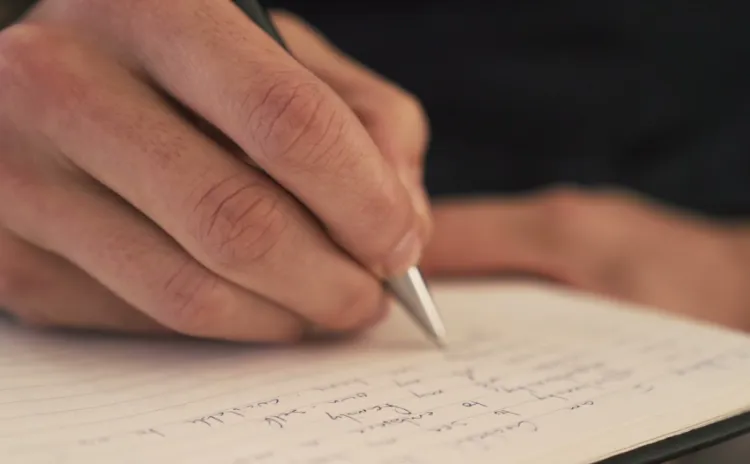
40% of writers rely on technology to refine their work, and 25% of students use language tools to improve their writing assignments. With the emergence of ChatGPT, many are turning to this AI-powered tool to edit their writing.
The Role of ChatGPT in Writing
ChatGPT can analyze text, suggest changes, and even rewrite sentences to make them more coherent and engaging. However, the question remains whether it is ethical to use ChatGPT to edit one's writing.
Ethical Considerations
The use of ChatGPT raises concerns about authorship and authenticity. If a writer relies heavily on ChatGPT to edit their work, can they still claim to be the sole author of the piece. Furthermore, the use of ChatGPT may also perpetuate biases and inaccuracies present in the AI's training data, which can have serious consequences in certain fields, such as academia and journalism. As such, writers must carefully consider the implications of using ChatGPT to edit their work and ensure that they are not compromising their integrity or the quality of their writing.
Expert opinions
Dr. Emily J. Wilson
As a renowned expert in the field of ethics in artificial intelligence and a professor of English literature, I, Dr. Emily J. Wilson, have given considerable thought to the question of whether it is ethical to use ChatGPT to edit one's writing. With the rapid advancement of language models like ChatGPT, it's essential to examine the implications of relying on these tools for writing and editing.
Firstly, it's crucial to understand that ChatGPT is a machine learning model designed to generate human-like text based on the input it receives. While it can be an invaluable tool for suggesting improvements to grammar, syntax, and style, it's not a replacement for human judgment and critical thinking. The question of ethics arises when we consider the potential consequences of relying too heavily on ChatGPT for editing.
On one hand, using ChatGPT to edit writing can be seen as a legitimate means of seeking feedback and improvement. Many writers, including students and professionals, struggle with self-editing and may benefit from the objective suggestions provided by the model. ChatGPT can help identify errors, clarify ambiguous sentences, and even suggest alternative phrases to enhance the overall quality of the writing.
On the other hand, there are concerns about the potential for over-reliance on ChatGPT, which could lead to a lack of accountability and transparency in the writing process. If a writer relies too heavily on the model's suggestions without critically evaluating them, they may inadvertently compromise their own voice, style, and intentions. Furthermore, there is the risk of perpetuating biases and errors inherent in the model's training data, which could result in the dissemination of misinformation or perpetuation of harmful stereotypes.
Another ethical consideration is the issue of authorship and ownership. When ChatGPT is used to edit writing, it's essential to acknowledge the role of the model in the creative process. Failing to do so could be seen as a form of intellectual dishonesty, where the writer takes credit for work that is not entirely their own. This raises important questions about the nature of authorship in the age of AI-assisted writing and the need for clear guidelines on how to properly cite and acknowledge the contributions of language models like ChatGPT.
Ultimately, whether it is ethical to use ChatGPT to edit writing depends on how the tool is used and the intentions of the writer. If used judiciously, as a means of seeking feedback and improvement, ChatGPT can be a valuable resource for writers. However, it's essential to maintain a critical and nuanced approach, recognizing both the benefits and limitations of the model. Writers must take responsibility for their work, ensuring that they understand and agree with the changes suggested by ChatGPT, and that they properly acknowledge the model's contributions to the writing process.
As we continue to navigate the rapidly evolving landscape of AI-assisted writing, it's crucial to prioritize transparency, accountability, and critical thinking. By doing so, we can harness the potential of tools like ChatGPT to enhance our writing, while maintaining the integrity and authenticity that is essential to effective communication.
Q: Is it cheating to use ChatGPT for editing my writing?
A: Using ChatGPT for editing can be considered a form of cheating if it's used to deceive others about one's writing abilities. However, if used as a tool to improve writing quality, it may be acceptable. Transparency is key in such cases.
Q: Can ChatGPT replace human editors in terms of ethics and quality?
A: ChatGPT can assist with editing tasks, but it may not fully replace human editors, especially in terms of understanding context and nuances. Human editors provide a level of ethical consideration and judgment that AI tools currently lack.
Q: How does using ChatGPT for editing impact authorship and ownership?
A: Using ChatGPT for editing can raise questions about authorship and ownership, as the AI tool is generating suggestions and changes. However, the original author typically retains ownership, as they have ultimate control over the content.
Q: Are there any ethical guidelines for using ChatGPT in writing and editing?
A: While there are no universal guidelines, it's essential to use ChatGPT in a way that is transparent, respectful of original authors, and compliant with any relevant laws or regulations. Users should also be aware of potential biases in AI-generated content.
Q: Can I use ChatGPT to edit academic or professional writing without disclosing its use?
A: It's generally recommended to disclose the use of AI editing tools like ChatGPT in academic or professional writing, as failure to do so can be considered a form of academic dishonesty or misrepresentation.
Q: How can I ensure that using ChatGPT for editing does not compromise the integrity of my writing?
A: To maintain integrity, use ChatGPT as a tool to assist with editing, rather than relying solely on it. Review and verify all changes, and ensure that the final product reflects your own voice and intentions.
Sources
- Miller Carolyn R. and Shepherd Dawn. New Media, New Rhetorics: From Punctuation to Programmability. Boulder: University Press of Colorado, 2019.
- McLuhan Marshall. Understanding Media: The Extensions of Man. Cambridge: MIT Press, 2013.
- “The Future of Writing: How AI is Changing the Way We Write”. Site: The New York Times – nytimes.com
- “Artificial Intelligence and its Impact on Writing”. Site: Harvard Business Review – hbr.org

