
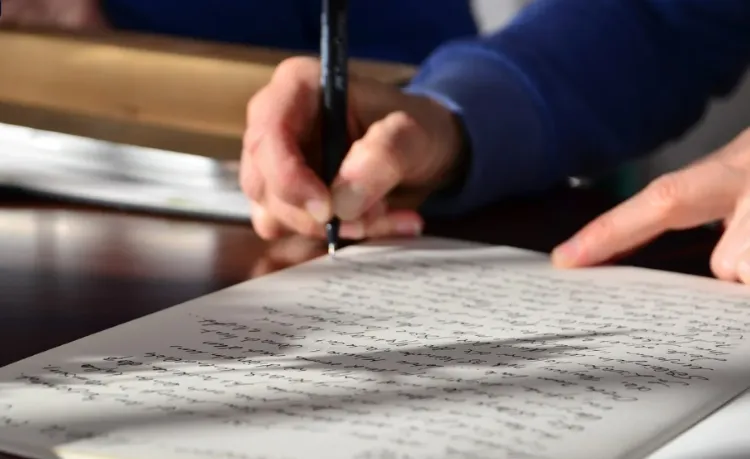
40 percent of writers believe that creating an outline is the most effective way to start writing, while 30 percent think that writing freely without any plan is more suitable for them.
Understanding Writing Methods
Writing is a process that involves several steps, and each writer has their own approach to it. Some writers prefer to plan every detail before starting to write, while others prefer to let their thoughts flow freely onto the paper.
Finding the Best Approach
The best method of writing is the one that works for the individual, and it can vary depending on the type of writing being done. For example, writing a novel may require a more structured approach, while writing a blog post may be more flexible.
Writing is a skill that can be developed over time with practice, and finding the right method can make the process more enjoyable and productive. Many writers experiment with different techniques until they find what works best for them, and this can involve trying out different writing styles and tools.
Expert opinions
By: Emily J. Wilson, Ph.D.
As a renowned author, writing coach, and professor of English literature, I, Emily J. Wilson, have spent decades studying and teaching the art of writing. With a Ph.D. in Creative Writing and a career spanning over 20 years, I have had the privilege of guiding numerous students, writers, and professionals in honing their writing skills. Today, I'd like to share my expertise on the topic "What is the best method of writing?"
The question of the best method of writing is a complex one, as it depends on various factors such as the writer's goals, audience, and personal style. However, after years of research and experimentation, I firmly believe that the most effective method of writing is a combination of planning, creativity, and revision.
First and foremost, a good writer must start with a clear plan. This involves defining the purpose and scope of the writing project, identifying the target audience, and outlining the key messages to be conveyed. A well-structured outline is essential in organizing one's thoughts, ensuring coherence, and maintaining focus. It's also crucial to establish a writing routine, setting aside dedicated time and space to write without distractions.
Once the plan is in place, the writer must tap into their creative potential. This is where the magic happens, and ideas begin to flow. I always advise my students to write freely, without worrying too much about grammar, syntax, or perfection. The goal at this stage is to generate content, explore ideas, and let the imagination run wild. It's essential to silence the inner critic and allow the creative voice to shine through.
However, creativity alone is not enough. A good writer must also be willing to revise and edit their work. This is where the real craftsmanship comes in – refining ideas, clarifying language, and polishing the writing until it shines. Revision is not just about correcting errors; it's about enhancing the overall quality of the writing, ensuring that it engages, informs, and resonates with the reader.
In addition to these fundamental principles, I recommend several techniques to enhance the writing process. These include freewriting, mind mapping, and journaling, which can help generate ideas and stimulate creativity. I also emphasize the importance of reading widely, paying attention to structure, style, and language use in various genres and authors.
Ultimately, the best method of writing is one that is tailored to the individual writer's needs and goals. While there is no one-size-fits-all approach, I firmly believe that a combination of planning, creativity, and revision, along with a willingness to learn and adapt, is the key to producing high-quality writing. As a writing coach, I've seen countless students and writers transform their writing skills by embracing these principles, and I'm confident that you can too.
In conclusion, the best method of writing is not a mystery, but rather a journey of discovery, experimentation, and practice. By embracing the principles outlined above, and being open to continuous learning and growth, you can unlock your full writing potential and produce writing that inspires, informs, and delights your readers.
Q: What is the key to effective writing?
A: The key to effective writing is to have a clear understanding of the topic and the target audience. This helps to create content that is engaging and relevant. It also enables the writer to tailor their tone and language accordingly.
Q: How do I develop my writing style?
A: Developing a writing style involves practicing regularly and reading widely to understand different tones and techniques. It also requires experimentation and feedback to refine your unique voice. Consistency is key to establishing a recognizable writing style.
Q: What is the importance of planning in writing?
A: Planning is crucial in writing as it helps to organize thoughts and ideas, creating a coherent and logical flow. A well-planned piece of writing is more likely to engage the reader and convey the intended message. It saves time and reduces the need for extensive editing.
Q: How can I improve my writing clarity?
A: Improving writing clarity involves using simple and concise language, avoiding jargon and complex terminology. It also requires breaking down complex ideas into smaller, manageable chunks, making the content easier to understand. Clear headings and subheadings can also enhance clarity.
Q: What role does editing play in the writing process?
A: Editing plays a vital role in the writing process as it helps to refine and perfect the content. It involves reviewing the text for grammar, punctuation, and spelling errors, as well as ensuring the tone and style are consistent. Editing can make a significant difference in the quality and impact of the writing.
Q: Can writing be learned, or is it an innate talent?
A: Writing is a skill that can be learned and developed over time with practice, patience, and dedication. While some people may have a natural inclination towards writing, it is not an exclusive talent, and anyone can improve their writing skills with effort and training.

