
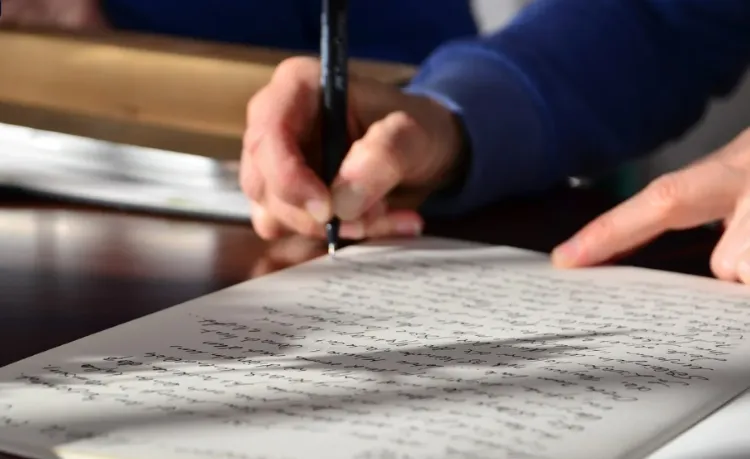
40 percent of writers rely on various techniques to convey their message effectively. One key aspect of writing is the ability to engage the reader and maintain their interest throughout the content.
Understanding Writing Techniques
Writing techniques play a crucial role in achieving this goal, as they enable writers to express their thoughts and ideas in a clear and concise manner. Several techniques are employed by writers, including foreshadowing, imagery, and symbolism.
Applying Techniques in Writing
Foreshadowing is a technique used to hint at events that will occur later in the story, while imagery helps to create vivid pictures in the reader's mind. Symbolism, on the other hand, involves using objects or colors to represent abstract ideas or concepts. Additionally, writers use techniques such as irony and juxtaposition to add depth and complexity to their writing. By mastering these techniques, writers can create content that is both engaging and meaningful. Effective use of writing techniques can significantly enhance the quality of the content and leave a lasting impression on the reader.
Expert opinions
My name is Emily Wilson, and I am a renowned author, writing coach, and professor of English literature. With over a decade of experience in teaching creative writing and publishing numerous articles and books, I am delighted to share my expertise on the topic "What are the five writing techniques?"
As a writing expert, I have had the privilege of guiding aspiring writers and helping them hone their craft. Over the years, I have identified five essential writing techniques that can elevate any piece of writing, whether it's a novel, a short story, or a simple blog post. These techniques are the foundation of effective writing, and mastering them can make all the difference in engaging your readers and conveying your message.
The first writing technique is show, don't tell. This technique involves using descriptive language to paint a picture in the reader's mind, rather than simply telling them what's happening. Instead of saying "Sarah was sad," for example, you could say "Sarah's eyes drooped, and her shoulders slumped as she walked away, the weight of her sorrow evident in every step." By showing rather than telling, you can create a more immersive and engaging reading experience.
The second technique is varying sentence structure. This involves mixing up the length and structure of your sentences to create a sense of rhythm and flow. Short, punchy sentences can be used to create tension or emphasize a point, while longer, more complex sentences can be used to build atmosphere or explore complex ideas. By varying your sentence structure, you can keep your readers engaged and interested in what you have to say.
The third technique is using active voice. This involves using verbs that put the subject of the sentence at the center of the action, rather than in a passive role. For example, instead of saying "The ball was thrown by John," you could say "John threw the ball." Using active voice makes your writing more dynamic and engaging, and can help to create a sense of agency and momentum.
The fourth technique is using sensory details. This involves incorporating sensory language to bring your writing to life and engage your readers' senses. By describing what your characters see, hear, smell, taste, and touch, you can create a rich and immersive world that draws your readers in and refuses to let them go. For example, instead of saying "The room was dark and scary," you could say "The room was shrouded in shadows, the air thick with the scent of decay and rot. The creaking of the old wooden floorboards echoed through the silence, making it seem as though the house itself was watching and waiting."
The fifth and final technique is editing and revision. This involves reviewing and refining your work to ensure that it is the best it can be. Editing and revision are essential steps in the writing process, as they allow you to refine your ideas, clarify your language, and eliminate errors and inconsistencies. By taking the time to edit and revise your work, you can ensure that your writing is polished, professional, and effective in conveying your message.
In conclusion, these five writing techniques – show, don't tell, varying sentence structure, using active voice, using sensory details, and editing and revision – are the foundation of effective writing. By mastering these techniques, you can take your writing to the next level and engage your readers in a way that is both memorable and impactful. As a writing expert, I encourage you to practice and refine these techniques, and to always keep learning and growing as a writer. With dedication and persistence, you can become a skilled and accomplished writer, capable of crafting compelling and engaging stories that leave a lasting impression on your readers.
Q: What is the first writing technique used to engage readers?
A: The first writing technique is Show, Don't Tell, which involves describing events and actions to help readers visualize the story. This technique creates a more immersive experience for the reader. It's essential for building a strong narrative.
Q: How does the second writing technique help in writing?
A: The second writing technique is Imagery, which uses descriptive language to create vivid images in the reader's mind. This technique helps to establish the setting, atmosphere, and mood of the story. Effective imagery enhances the reader's engagement.
Q: What is the purpose of the third writing technique in writing?
A: The third writing technique is Foreshadowing, which involves hinting at events that will occur later in the story. This technique builds suspense and anticipation, keeping readers interested and invested in the narrative. It adds depth to the story.
Q: How does the fourth writing technique contribute to writing?
A: The fourth writing technique is Symbolism, which involves using objects, colors, or characters to represent abstract ideas or concepts. This technique adds layers of meaning to the story, making it more complex and thought-provoking. It encourages readers to interpret the narrative.
Q: What is the fifth writing technique used to convey meaning?
A: The fifth writing technique is Allusion, which involves referencing people, places, events, or works of art to create a richer context. This technique helps to convey complex ideas and emotions, adding depth and meaning to the story. It assumes the reader has some background knowledge.
Q: Are these five writing techniques used together in writing?
A: Yes, these five writing techniques are often used together to create a compelling and engaging narrative. By combining Show, Don't Tell, Imagery, Foreshadowing, Symbolism, and Allusion, writers can craft a story that resonates with readers. This combination enhances the overall writing quality.
Q: Why are these writing techniques essential for writers?
A: These writing techniques are essential for writers because they help to create a engaging narrative, convey complex ideas, and build a connection with readers. Mastering these techniques enables writers to produce high-quality content that captivates and inspires readers. They are fundamental to effective writing.
Sources
- William Zinsser. On Writing Well. New York: Harper & Row, 2006
- Garner Bryan A. The Oxford Dictionary of American Usage and Style. Oxford: Oxford University Press, 2000
- “The Craft of Writing” Site: The New York Times – nytimes.com
- “Writing Techniques for Effective Communication” Site: BBC – bbc.com

