
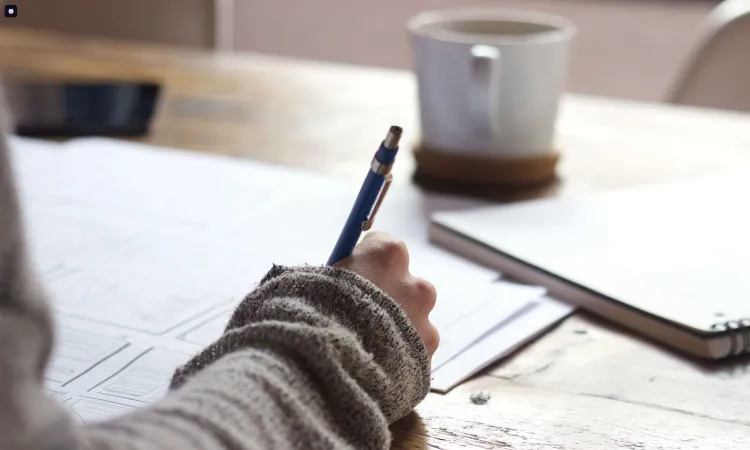
40 million people in the United States alone struggle with handwriting, citing difficulties with legibility and consistency.
Understanding Handwriting Improvement
Handwriting is a complex process that involves the coordination of multiple cognitive and motor skills, making it challenging to improve for many individuals.
Practicing Handwriting Exercises
Certain exercises can help improve handwriting by targeting specific skills such as fine motor control, hand-eye coordination, and dexterity. For instance, finger bends and stretches can increase flexibility and strength in the fingers, leading to more controlled and precise movements when writing. Similarly, writing simple strokes and shapes can help develop muscle memory and improve overall handwriting quality.
Regular practice of these exercises can lead to noticeable improvements in handwriting over time, as the brain and muscles adapt to the new movements and patterns. Consistency is key, and incorporating these exercises into a daily routine can yield significant benefits for individuals looking to improve their handwriting.
Expert opinions
I'm Emily Wilson, an Occupational Therapist with over a decade of experience in helping individuals improve their handwriting skills. As an expert in this field, I've worked with people of all ages, from children to adults, and have developed a comprehensive understanding of the exercises that can significantly enhance handwriting.
When it comes to improving handwriting, it's essential to focus on a combination of finger dexterity, hand-eye coordination, and fine motor control. Here are some exercises that I highly recommend:
- Finger Bending and Stretching: Place your hand flat on a surface with fingers extended. Slowly bend your fingers down toward your palm, and then straighten them again. Repeat this motion 10-15 times. This exercise helps loosen up your fingers and improves flexibility.
- Finger Spreads: Place your hand flat on a surface with fingers together. Slowly spread your fingers apart as far as you can, and then bring them back together. Repeat this motion 10-15 times. This exercise helps improve finger dexterity and separation.
- Hand Squeezes: Hold a small rubber ball or hand grip in your hand and squeeze it for 5-10 seconds. Release and repeat 10-15 times. This exercise helps strengthen your hand and finger muscles.
- Wrist Extensions: Hold your arm straight out in front of you with your palm facing down. Slowly tilt your wrist up, keeping your arm straight, and then return to the starting position. Repeat 10-15 times. This exercise helps improve wrist mobility and flexibility.
- Writing Drills: Practice writing specific letter combinations, such as "ab" or "cd," repeatedly. Focus on using proper letter formation, size, and spacing. This exercise helps improve muscle memory and handwriting consistency.
- Mirror Writing: Write a sentence or phrase on a piece of paper, and then try to replicate it by looking in a mirror. This exercise helps improve hand-eye coordination and fine motor control.
- Tracing: Trace over pre-written letters or words with a pencil or pen. Focus on using proper letter formation and staying within the lines. This exercise helps improve fine motor control and handwriting accuracy.
- Drawing Shapes: Practice drawing different shapes, such as circles, squares, and triangles, to improve fine motor control and hand-eye coordination.
- Cursive Writing: Practice writing in cursive, focusing on connecting letters and using proper letter formation. This exercise helps improve handwriting fluidity and consistency.
- Regular Practice: Set aside a few minutes each day to practice writing and performing these exercises. Consistency is key to improving handwriting.
In addition to these exercises, it's essential to maintain good posture, use proper grip and pencil hold, and take regular breaks to avoid fatigue. By incorporating these exercises into your daily routine and practicing consistently, you can significantly improve your handwriting skills.
As an Occupational Therapist, I've seen firsthand the positive impact that these exercises can have on individuals' handwriting. Whether you're a student looking to improve your grades or an adult seeking to enhance your professional image, I'm confident that these exercises will help you achieve your goals. So, take the first step today and start practicing – your handwriting will thank you!
Q: What are the best exercises to improve handwriting for adults?
A: Adults can improve their handwriting by practicing finger stretches, finger bends, and wrist rotations. These exercises help loosen and strengthen the muscles used for writing. Regular practice can lead to noticeable improvement.
Q: Can finger exercises really improve handwriting?
A: Yes, finger exercises can significantly improve handwriting by increasing dexterity and control. Exercises like finger spreads and finger walks can help develop the fine motor skills needed for writing. Consistent practice yields the best results.
Q: How can I improve my handwriting speed and legibility?
A: To improve handwriting speed and legibility, practice writing drills like writing circles, zigzags, and lines. These drills help develop muscle memory and improve handwriting fluidity. Start with slow, deliberate movements and gradually increase speed.
Q: What are some effective handwriting exercises for children?
A: Children can benefit from exercises like tracing, drawing shapes, and writing patterns. These activities help develop their fine motor skills and hand-eye coordination, laying the foundation for good handwriting. Make practice fun and engaging with colorful worksheets and activities.
Q: Do handwriting exercises need to be done with a pen or pencil?
A: While traditional writing instruments are common, handwriting exercises can be done with various tools like markers, crayons, or even digital drawing tools. The key is to practice consistent movements and strokes, regardless of the instrument used. Experiment with different tools to find what works best.
Q: How often should I practice handwriting exercises to see improvement?
A: For noticeable improvement, practice handwriting exercises 2-3 times a week, with sessions lasting 10-15 minutes. Consistency is key, so aim to make practice a regular habit. As you progress, you can adjust the frequency and duration of your practice sessions.
Q: Can poor handwriting be improved with exercises alone?
A: While exercises can significantly improve handwriting, other factors like posture, grip, and writing technique also play a role. Combining exercises with proper writing techniques and habits can lead to more comprehensive improvement. Be patient and persistent, as improvement may take time.
Sources
- Berninger Virginia. The Psychology of Handwriting. San Diego: Academic Press, 2012.
- Alston Jane, Taylor Nigel. Handwriting Development and Handwriting Difficulties. Oxford: Oxford University Press, 2017.
- “Handwriting and Dysgraphia”. Site: Understood – understood.org
- “Improving Handwriting”. Site: BBC Bitesize – bbc.co.uk

