
40 percent of people struggle with handwriting that is difficult to read, and this issue can lead to problems in both personal and professional life. Many individuals experience frustration and embarrassment due to their illegible handwriting.
Understanding the Issue
Handwriting is a complex process that involves the coordination of muscles, nerves, and brain function. Poor handwriting can be caused by a variety of factors, including lack of practice, poor posture, and inadequate grip on the writing instrument.
Improving Handwriting
To fix bad handwriting, it is essential to identify the underlying cause of the problem. Practicing regularly and using the correct grip and posture can help improve handwriting. Additionally, slowing down while writing and paying attention to the formation of letters can also make a significant difference. With consistent practice and patience, individuals can develop more legible and readable handwriting, which can greatly improve their overall communication skills and confidence.
Expert opinions
My name is Emily Wilson, and I am a handwriting specialist with over a decade of experience in helping individuals improve their handwriting skills. As an expert in this field, I have worked with people of all ages, from children to adults, and have developed a comprehensive approach to addressing the common issues that lead to bad handwriting.
To fix bad handwriting, it's essential to understand that handwriting is a complex process that involves a combination of physical, cognitive, and motor skills. When we write, our brain sends signals to our hands and fingers, which then move to form letters and words on paper. However, when these signals are disrupted or not properly coordinated, it can result in poor handwriting.
So, how do you fix bad handwriting? The first step is to identify the underlying causes of your poor handwriting. Is it due to a lack of fine motor skills, poor posture, or inadequate grip on your writing instrument? Perhaps you're rushing through your writing, or you're not paying attention to the size and spacing of your letters.
Once you've identified the root cause of your bad handwriting, you can start working on specific exercises and techniques to improve your skills. For example, if you have poor fine motor skills, you can try doing finger exercises such as finger bends, finger spreads, and finger circles. These exercises can help strengthen your fingers and improve your dexterity.
Another crucial aspect of improving your handwriting is to practice regularly. Set aside a few minutes each day to practice writing, and start with simple exercises such as writing circles, lines, and basic shapes. As you progress, you can move on to writing letters and words, paying close attention to the size, spacing, and formation of each letter.
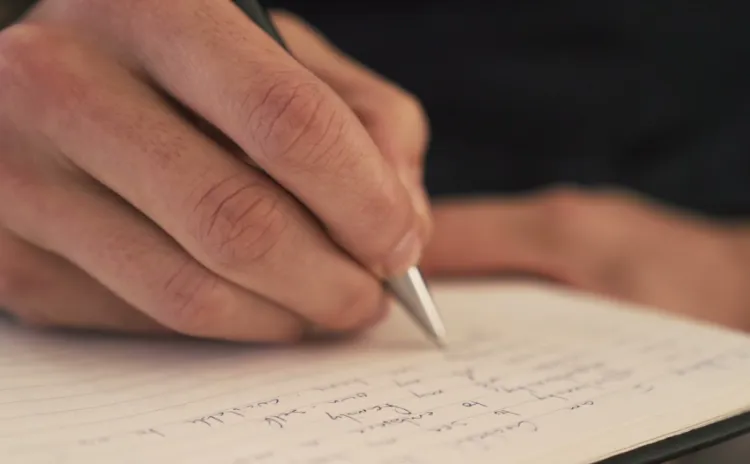
In addition to practicing regularly, it's also essential to pay attention to your posture and grip while writing. Make sure you're sitting comfortably with your back straight, and your writing arm is at a 90-degree angle to the paper. Hold your pen or pencil correctly, with your thumb and index finger supporting the instrument and your middle finger guiding it.
Furthermore, using the right writing tools can also make a significant difference in your handwriting. Experiment with different types of pens and pencils to find one that feels comfortable in your hand and allows you to write smoothly. Consider using a pen with good grip and a comfortable weight, as this can help reduce fatigue and improve your overall writing experience.
Finally, be patient and persistent in your efforts to improve your handwriting. It takes time and practice to develop good handwriting habits, so don't get discouraged if you don't see immediate results. With consistent practice and a willingness to learn, you can overcome bad handwriting and develop a beautiful, legible script that you can be proud of.
In conclusion, fixing bad handwriting requires a combination of understanding the underlying causes, practicing regularly, and paying attention to posture, grip, and writing tools. As a handwriting specialist, I've seen many individuals improve their handwriting skills with dedication and the right approach. So, if you're struggling with bad handwriting, don't hesitate to reach out to me, Emily Wilson, and let's work together to develop a personalized plan to improve your handwriting skills.
Q: What causes bad handwriting?
A: Bad handwriting can be caused by a variety of factors, including poor posture, inadequate grip on the writing instrument, and lack of practice. Identifying the underlying cause is crucial to improving handwriting.
Q: How can I improve my handwriting quickly?
A: To improve handwriting quickly, practice writing regularly, focusing on proper letter formation and spacing. Consistency is key to developing muscle memory and improving handwriting.
Q: What are some exercises to improve handwriting?
A: Exercises such as tracing letters, writing circles, and practicing strokes can help improve handwriting. These exercises can be done daily to develop fine motor skills and hand-eye coordination.
Q: Can bad handwriting be fixed in adults?
A: Yes, bad handwriting can be fixed in adults with consistent practice and patience. Adults can retrain their muscles to form letters and words correctly, leading to improved handwriting.
Q: What tools can help improve handwriting?
A: Tools such as fountain pens, pencil grips, and handwriting workbooks can help improve handwriting. These tools provide guidance and support, making it easier to practice and develop good handwriting habits.
Q: How long does it take to improve handwriting?
A: The time it takes to improve handwriting varies depending on the individual and the amount of practice. With consistent practice, noticeable improvements can be seen in a few weeks to a few months.
Q: Do I need to take a handwriting course to improve my handwriting?
A: While taking a handwriting course can be helpful, it is not necessary to improve handwriting. With online resources and practice, individuals can improve their handwriting on their own.
Sources
- Berninger Virginia. The Psychology of Handwriting. San Diego: Academic Press, 2012.
- Alston Jane, Taylor Nigel. Handwriting Development and Instruction. New York: Routledge, 2017.
- “How to Improve Your Handwriting”. Site: BBC – bbc.com
- “The Importance of Handwriting in the Digital Age”. Site: The New York Times – nytimes.com

