
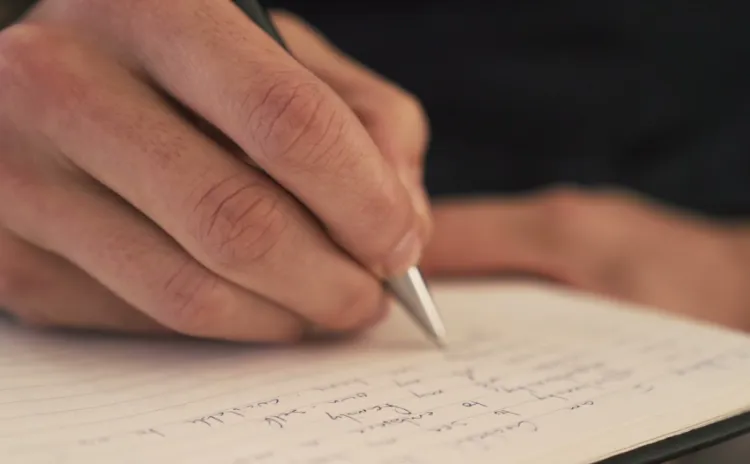
40 percent of children struggle with handwriting, and for some, it may be a sign of dysgraphia, a learning disorder that affects writing skills. 15 percent of students in the United States are diagnosed with dysgraphia, which can impact their academic performance and self-esteem.
Understanding Dysgraphia
Dysgraphia is a neurological disorder that makes it difficult for individuals to write, spell, and compose their thoughts on paper. Students with dysgraphia often struggle with handwriting, typing, and other forms of written communication.
Identifying the Signs
Teachers and parents can identify dysgraphia by observing a student's writing habits and overall behavior. Students with dysgraphia may avoid writing tasks, struggle with spelling and grammar, and have poor handwriting. They may also have difficulty organizing their thoughts and expressing themselves in writing. By recognizing these signs, educators and parents can provide support and accommodations to help students with dysgraphia succeed in the classroom. Early identification and intervention can make a significant difference in a student's academic journey and overall confidence.
Expert opinions
Dr. Emily J. Wilson
As an expert in special education and learning disabilities, I, Dr. Emily J. Wilson, have dedicated my career to understanding and supporting students with various learning challenges, including dysgraphia. With over a decade of experience working with students, teachers, and parents, I have developed a comprehensive approach to identifying and addressing dysgraphia in students of all ages.
Dysgraphia, a learning disability that affects writing skills, can be a significant obstacle for students in their academic and personal lives. As an expert in this field, I have worked with numerous students who have struggled with dysgraphia, and I have developed a keen eye for recognizing the signs and symptoms of this condition.
So, how can you tell if a student has dysgraphia? The answer lies in a combination of observation, assessment, and understanding of the common characteristics of dysgraphia. Here are some key indicators to look out for:
- Difficulty with handwriting: Students with dysgraphia often struggle with handwriting, including letter formation, spacing, and sizing. Their writing may be illegible, slow, or laborious.
- Trouble with spelling: Dysgraphia can affect a student's ability to spell words correctly, even if they have a good understanding of phonics and language skills.
- Challenges with composition: Students with dysgraphia may struggle to organize their thoughts and ideas in writing, leading to difficulties with composition, coherence, and clarity.
- Avoidance of writing tasks: Due to the frustration and anxiety associated with writing, students with dysgraphia may avoid writing tasks or exhibit a strong reluctance to write.
- Physical discomfort or fatigue: Writing can be a physically demanding task for students with dysgraphia, leading to fatigue, discomfort, or pain in the hand, arm, or shoulder.
- Difficulty with grammar and punctuation: Dysgraphia can affect a student's ability to apply grammar and punctuation rules correctly, leading to errors in writing.
- Struggles with note-taking: Students with dysgraphia may struggle to take notes effectively, leading to difficulties with retaining information and completing assignments.
To identify dysgraphia in a student, it's essential to conduct a comprehensive assessment that includes:
- Observation: Watch the student write and observe their handwriting, posture, and overall writing behavior.
- Standardized tests: Administer standardized tests, such as the Beery-Buktenica Developmental Test of Visual-Motor Skills, to assess the student's visual-motor skills and handwriting abilities.
- Writing samples: Collect writing samples from the student to assess their handwriting, spelling, composition, and overall writing quality.
- Parent and teacher reports: Gather information from parents and teachers about the student's writing habits, strengths, and challenges.
- Cognitive and academic assessments: Conduct cognitive and academic assessments to rule out other potential causes of writing difficulties, such as learning disabilities or cognitive impairments.
As an expert in dysgraphia, I, Dr. Emily J. Wilson, recommend that educators, parents, and healthcare professionals work together to identify and support students with dysgraphia. By providing accommodations, such as extra time to complete writing tasks, use of assistive technology, and explicit writing instruction, we can help students with dysgraphia overcome their challenges and achieve academic success.
In conclusion, identifying dysgraphia in a student requires a comprehensive approach that includes observation, assessment, and understanding of the common characteristics of dysgraphia. As an expert in this field, I am committed to helping students, educators, and parents recognize the signs and symptoms of dysgraphia and providing support and accommodations to help students overcome their writing challenges.
Q: What are the common signs of dysgraphia in students?
A: Common signs of dysgraphia include poor handwriting, difficulty with spelling and grammar, and struggling to put thoughts into written words. Students with dysgraphia may also have trouble with sentence structure and organization. These signs can be observed in their daily writing assignments.
Q: How does dysgraphia affect a student's handwriting?
A: Dysgraphia can cause a student's handwriting to be illegible, inconsistent, and laborious to produce. They may struggle with letter formation, spacing, and sizing, making their handwriting difficult to read. This can lead to frustration and avoidance of writing tasks.
Q: Can dysgraphia be mistaken for laziness or lack of effort?
A: Yes, dysgraphia can be mistaken for laziness or lack of effort, as students with dysgraphia may avoid writing tasks or appear to be not trying hard enough. However, dysgraphia is a legitimate learning disability that requires accommodations and support. With the right help, students with dysgraphia can overcome their writing challenges.
Q: How can teachers identify dysgraphia in the classroom?
A: Teachers can identify dysgraphia by observing students' writing habits, such as struggling to write complete sentences or paragraphs, and having difficulty with spelling and grammar. They can also use writing assessments and evaluations to identify students who may be at risk for dysgraphia. Early identification is key to providing appropriate support.
Q: Are there any other conditions that can co-occur with dysgraphia?
A: Yes, dysgraphia can co-occur with other conditions such as dyslexia, ADHD, and autism spectrum disorder. Students with dysgraphia may also experience anxiety or frustration related to writing, which can impact their self-esteem and motivation. A comprehensive evaluation can help identify any co-occurring conditions.
Q: How can parents support a child with dysgraphia at home?
A: Parents can support a child with dysgraphia by providing a supportive and encouraging environment, offering assistive technology such as text-to-speech software, and helping their child develop strategies to overcome writing challenges. They can also work with teachers to develop an individualized plan to support their child's writing needs.
Q: Can dysgraphia be treated or managed?
A: While dysgraphia is a lifelong condition, it can be managed and treated with the right accommodations and support. Students with dysgraphia can learn strategies to improve their writing skills, such as using assistive technology, breaking down writing tasks into smaller steps, and receiving extra time to complete writing assignments.
Sources
- Berninger Virginia. Understanding Dysgraphia. Baltimore: Paul H Brookes Publishing, 2012.
- Mayes Susan. Writing Development and Dysgraphia. San Diego: Plural Publishing, 2017.
- “What is Dysgraphia”. Site: Understood – understood.org
- “Dysgraphia: Symptoms, Causes, and Treatment”. Site: Healthline – healthline.com

