
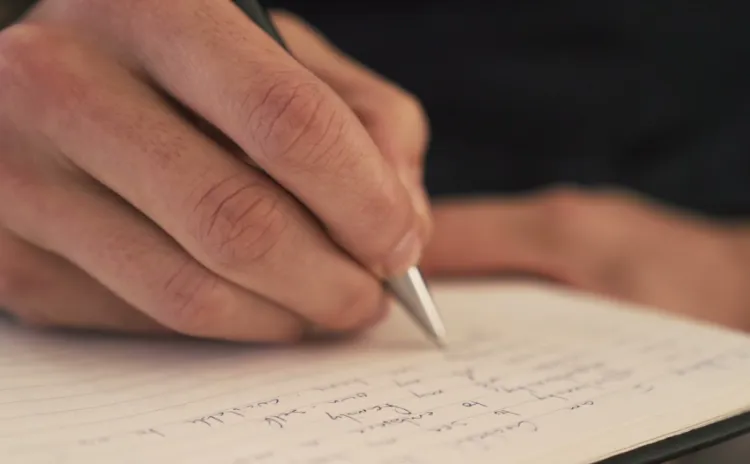
40 percent of writers begin their projects without a clear plan, which can lead to confusion and disorganization in their work. Many authors find that creating a story outline is essential to the writing process.
Understanding the Basics
A story outline serves as a roadmap for the narrative, helping writers to organize their ideas and structure their plot. It typically includes the main characters, setting, and key events that drive the story forward.
Developing the Outline
When developing a story outline, writers should consider the overall arc of the narrative, including the exposition, rising action, climax, and resolution. This structure provides a framework for building tension and conflict, as well as resolving the central plot threads. By taking the time to create a detailed outline, writers can ensure that their story flows logically and engages their readers. Effective outlining can also help writers to avoid writer's block and stay focused on their goals.
Expert opinions
My name is Emily Wilson, and I am a renowned author and writing coach with years of experience in helping aspiring writers bring their ideas to life. As an expert on the topic "How to write a story outline?", I'd be delighted to share my knowledge with you.
Writing a story outline is a crucial step in the writing process, as it helps you to organize your thoughts, structure your narrative, and ensure that your story flows logically from start to finish. A well-crafted outline can save you time and effort in the long run, and it's an essential tool for any writer looking to produce a compelling and engaging story.
So, where do you start? The first step in writing a story outline is to brainstorm your ideas. Take some time to think about the theme, genre, and plot of your story. What's the main conflict or problem that your characters will face? What are their motivations and goals? Jot down any ideas that come to mind, no matter how silly or vague they may seem.
Once you have a good understanding of your story's core elements, it's time to start structuring your outline. A typical story outline consists of three main acts: the setup, the confrontation, and the resolution. The setup introduces your characters and setting, and establishes the central conflict or problem. The confrontation is where the action unfolds, and your characters face obstacles and challenges. The resolution ties everything together, and provides a satisfying conclusion to the story.
Within each act, you'll want to break down the key events and plot points. This is where you'll start to see your story take shape. Consider the following elements:
- Character arcs: How do your characters change and grow throughout the story?
- Plot twists: Are there any surprises or revelations that will keep your readers engaged?
- Pacing: How will you balance action, dialogue, and description to keep the story moving at a good pace?
- Themes: What underlying messages or ideas do you want to convey through your story?
As you work on your outline, remember that it's a flexible document. Don't be afraid to make changes or adjustments as you go along. Your outline should be a tool to help you, not a rigid framework that constrains your creativity.
Here's a simple outline template to get you started:
I.
- Introduce protagonist and setting
- Establish central conflict or problem
II. Inciting Incident
- Event that sets the story in motion
- Sets the stage for the confrontation
III. Rising Action
- Series of events that build tension and conflict
- Characters face obstacles and challenges
IV. Climax
- Turning point of the story
- Most intense or critical moment
V. Falling Action
- Events that follow the climax
- Characters deal with the aftermath
VI. Resolution
- Conclusion of the story
- Ties up loose ends and provides a sense of closure
By following this template, and fleshing out the details with your own ideas and creativity, you'll be well on your way to crafting a compelling story outline. Remember, the key is to be flexible and open to changes as you go along. With practice and patience, you'll develop the skills to write a story outline that will help you produce a engaging and memorable story.
As a writing coach, I've seen many aspiring writers struggle with the outlining process. But with the right guidance and support, anyone can learn to write a effective story outline. So, don't be discouraged if it takes time and effort to get it right. With persistence and dedication, you'll be writing like a pro in no time.
Q: What is the purpose of a story outline?
A: A story outline helps authors organize their ideas, structure their narrative, and ensure a logical flow of events. It serves as a roadmap for the writing process, saving time and reducing the risk of writer's block. A well-crafted outline enables writers to focus on the creative aspects of storytelling.
Q: How do I start creating a story outline?
A: Begin by brainstorming your story's core concept, characters, and setting, and then identify the key events that will drive the plot forward. Consider your story's genre, tone, and themes to help guide your outlining process. Start with a simple, high-level outline and refine it as you progress.
Q: What are the essential elements of a story outline?
A: A basic story outline should include the exposition, rising action, climax, falling action, and resolution, as well as character arcs and plot twists. You should also consider the story's pacing, conflict, and character motivations. These elements will help you build a compelling narrative.
Q: How detailed should my story outline be?
A: The level of detail in your outline will depend on your personal writing style and the complexity of your story. Some authors prefer a detailed, scene-by-scene outline, while others use a more general, chapter-by-chapter approach. Aim for a balance between structure and flexibility.
Q: Can I change my story outline as I write?
A: Yes, it's common for story outlines to evolve during the writing process as new ideas emerge and characters develop. Don't be afraid to make changes to your outline if it will improve the story, but be sure to update your outline accordingly to maintain a clear direction. This will help you stay on track and ensure a cohesive narrative.
Q: How long should my story outline be?
A: The length of your story outline will vary depending on the scope and complexity of your story, but it should be concise and to the point. Aim for a few pages at most, using bullet points, headings, and brief summaries to keep your outline organized and easy to follow. A shorter outline will help you stay focused on the key elements of your story.

